Writer: AD Brock Adams
The spiritual foundations of the Celi Dé tradition are rooted not in a single scripture or theological system, but in a constellation of texts that preserve the historical memory, sacred narratives, wisdom traditions, and devotional life of the Gaelic peoples. Together, these works provide a window into the intellectual and spiritual inheritance of Ireland, revealing a tradition in which sacred history, moral instruction, poetry, and liturgy are woven into a unified vision of the world.
Among the most important of these sources are the Yellow Book of Lecan, the Lebor Gabála Érenn, the Saltair na Rann, the Carmina Gadelica, and the Stowe Missal. To these may be added the great mythological cycles preserved in texts such as the First and Second Battles of Moytura, as well as later historical works including Rerum Scoticarum Historia. While differing in origin, genre, and purpose, these works collectively preserve the memory of a people seeking to understand their place within creation, history, and the providence of God.
The Yellow Book of Lecan preserves many of the narratives associated with the Tuatha Dé Danann and the heroic traditions of Ireland. These stories are more than myths in the modern sense; they are repositories of cultural memory, exploring themes of wisdom, sovereignty, sacrifice, honour, and the consequences of human action. Likewise, the Lebor Gabála Érenn presents a sacred history of Ireland, tracing successive settlements of the island from primordial times to the coming of the Gaels. Drawing together biblical chronology, native tradition, and medieval historiography, it situates Ireland within a universal narrative of creation, exile, migration, and covenant.
The Saltair na Rann occupies a unique place within this literary inheritance. Composed as a vast retelling of biblical history in the Gaelic poetic tradition, it may be understood as an attempt to render the sacred narratives of Christianity through the language, symbolism, and literary forms of Ireland itself. Rather than representing a break with the older wisdom of the Gaelic world, the text demonstrates how Christian revelation was received and interpreted through an existing cultural framework, producing a distinctly Gaelic expression of biblical faith.
This process of synthesis is equally evident in the Stowe Missal, one of the most important witnesses to the liturgical life of the early Irish Church. Its prayers and rites reveal a Christianity deeply rooted in the universal tradition of the Church while also bearing the distinctive marks of the Gaelic spiritual tradition. Through such texts we witness not the replacement of one worldview by another, but the gradual integration of inherited customs, symbols, and modes of thought into a Christo-Druidic framework.
The Carmina Gadelica preserves another dimension of this inheritance. Collected from oral tradition in the Highlands and Islands of Scotland, its prayers, blessings, invocations, and hymns reveal a spirituality that perceives the sacred within every aspect of daily life. Work, travel, hospitality, childbirth, harvest, and household duties become occasions for prayer and remembrance. The result is a vision of the world in which divine providence permeates both the extraordinary and the ordinary, sanctifying the rhythms of everyday existence.
The First and Second Battles of Moytura further illuminate the moral and cosmological concerns of the Gaelic tradition. Through the struggles of the Tuatha Dé Danann and the Fomorians, these narratives explore themes of order and disorder, legitimate sovereignty and tyranny, wisdom and ignorance, abundance and deprivation. The conflicts described within them are not merely martial tales but symbolic reflections upon the continual struggle to establish harmony within society and the wider created order.
Taken together, these texts reveal a tradition concerned with far more than mythology or folklore. They preserve a coherent vision of reality in which history, poetry, law, worship, and moral instruction form an interconnected whole. They speak of humanity’s obligations to community, to creation, to memory, and ultimately to God. Through them, the wisdom of the ancestors continues to inform contemporary spiritual practice, offering a model of life grounded in reverence, responsibility, hospitality, and covenant.
For the modern Celi Dé, these works serve not merely as historical curiosities but as living witnesses to a sacred inheritance. They provide the foundations from which contemporary practice draws inspiration, preserving a vision of spiritual life that remains rooted in the land, the people, and the enduring presence of the divine throughout history.
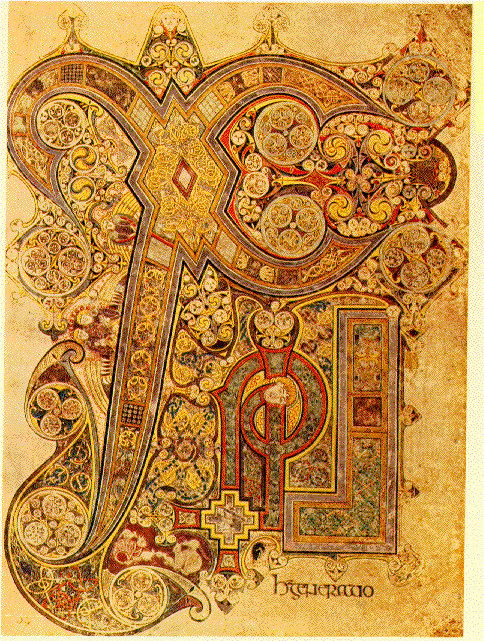
 ArdNemeton na Tuatha
Leave a comment